



The original watch in cinema: a landmark in the image
A close-up of a wrist is sometimes enough to tell a character's story. In cinema, an original watch acts as a landmark: it establishes a time period, reveals a character, and reminds the viewer that time matters. Its presence, often brief, leaves a more lasting impression than a long dialogue.
These lines explore how cinema turns a timepiece into a storytelling tool. A few memorable films serve as a guide, before examining what this cinematic perspective teaches us about choosing a distinctive, confident piece to wear every day.
Key takeaways
- In cinema, a distinctive watch serves as a visual landmark that establishes a character and a time period.
- An insert shot isolates an object on screen to give it narrative significance.
- In Cléo from 5 to 7, Agnès Varda follows her heroine between 5:00 and 6:30 p.m., almost in real time.
- In Interstellar, a second hand transmits data in Morse code that allows humanity to be saved.
Why an original watch catches the eye on screen
An insert shot is a close-up that isolates an object or detail to highlight its importance in the story. Applied to a watch, it transforms an accessory into a clue: the viewer understands that an hour, a delay, or a memory will have an impact on what follows. An original watch enhances this effect, as its shape stands out instantly in the frame.
The viewer's eye looks for stable landmarks in a stream of moving images. An unusual dial or a needle unlike any other provides this anchor point. A recognizable object requires no explanation and imbues the scene with immediate meaning.
Three films where the timepiece becomes the story
Cléo from 5 to 7, directed by Agnès Varda in 1962, makes time the very fabric of the film. Divided into chapters, the story follows a Parisian singer between 5:00 and 6:30 p.m. as she awaits medical results, almost in real time. Every passing minute becomes palpable, and the viewer shares the heroine's anxiety.
In Pulp Fiction, released in 1994, Quentin Tarantino entrusts a gold watch with the role of family heirloom. A monologue recounts its transmission from father to son through several wars, before the boxer Butch risks his life to retrieve it. The object embodies the memory of a lineage and the character's dignity.
Interstellar, directed by Christopher Nolan in 2014, takes this logic even further. Before leaving, the pilot Cooper gives his watch to his daughter Murph. Years later, he uses the second hand to transmit crucial data to her in Morse code, and the watch becomes the tangible link between two times that no longer flow at the same pace.
The original watch, a language of character
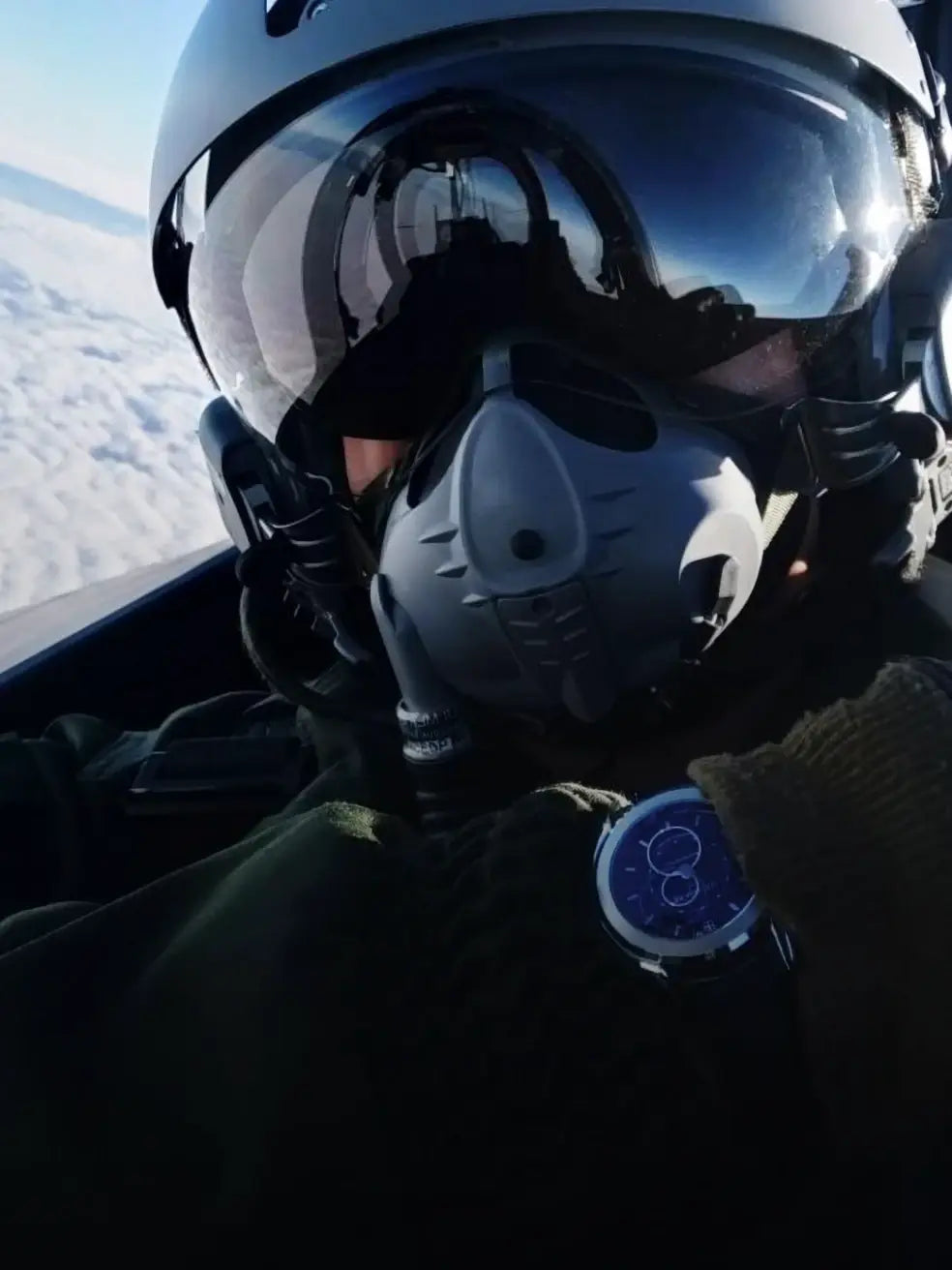
An original watch is an accessory that characterizes its wearer without a word. A discreet piece suggests restraint, a distinctive dial signals an independent perspective, and an inherited watch evokes a family history. This visual vocabulary, which cinema has mastered for a long time, is also worth the space on everyone's wrist.
In practice, choosing a timepiece is like composing your own insert shot. The question is no longer merely aesthetic: what part of yourself should the object tell at first glance? Those who favor original watches are often looking for a piece that opens a conversation rather than closing it.
Round needles, a readable silhouette in the frame
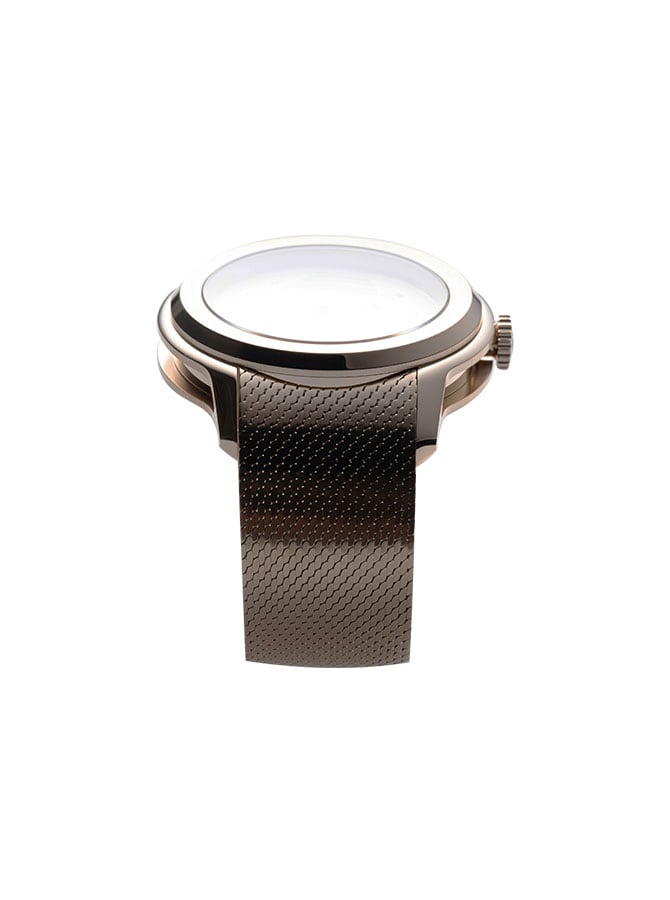
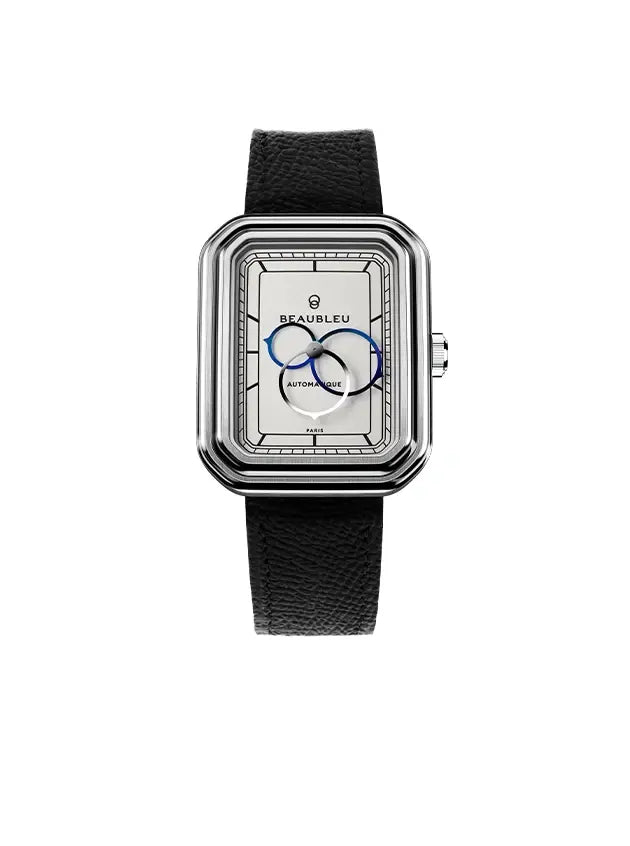
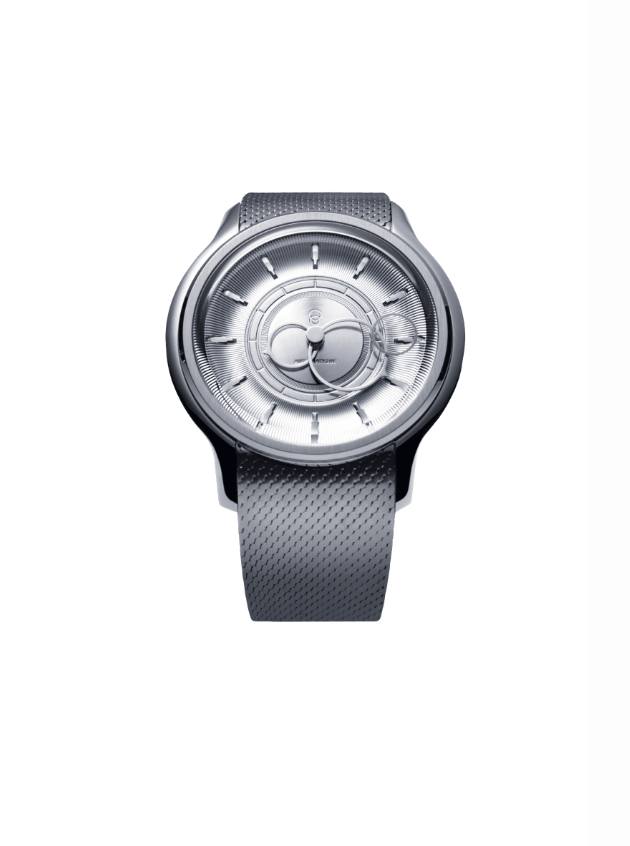
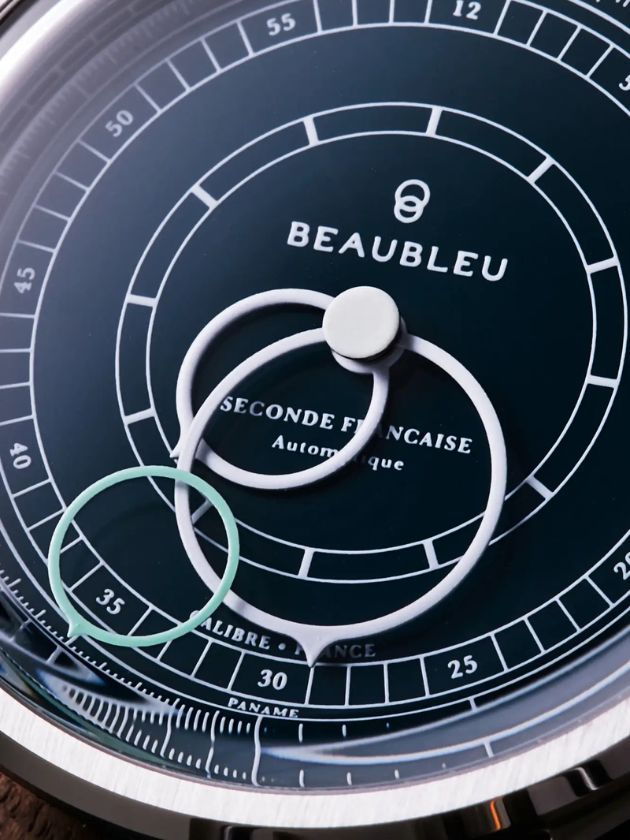
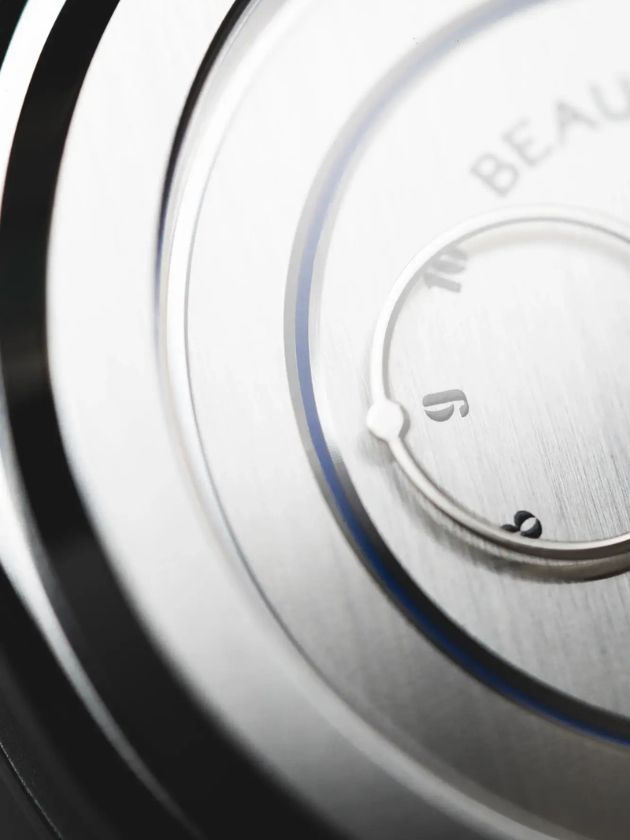
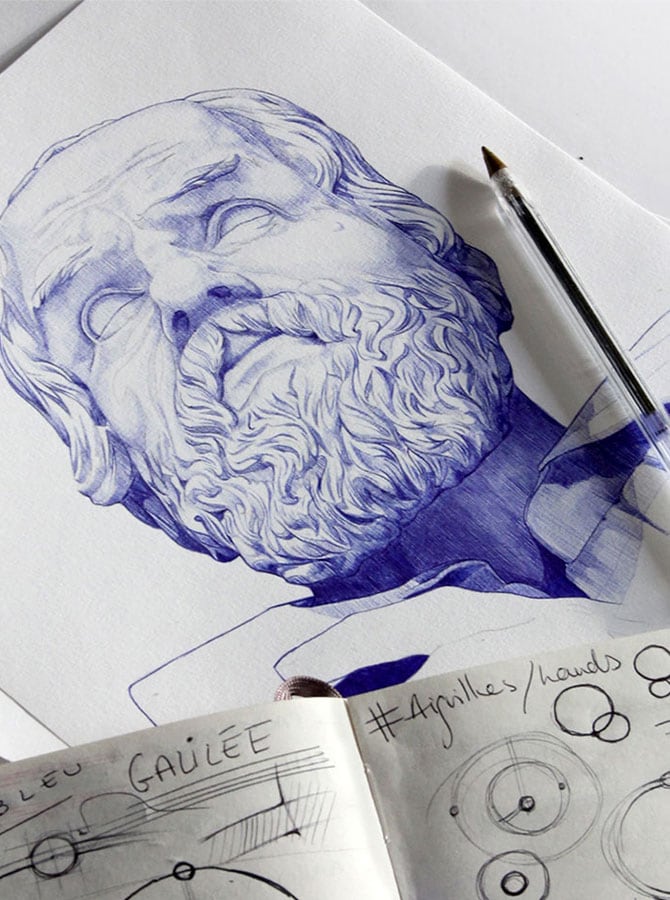
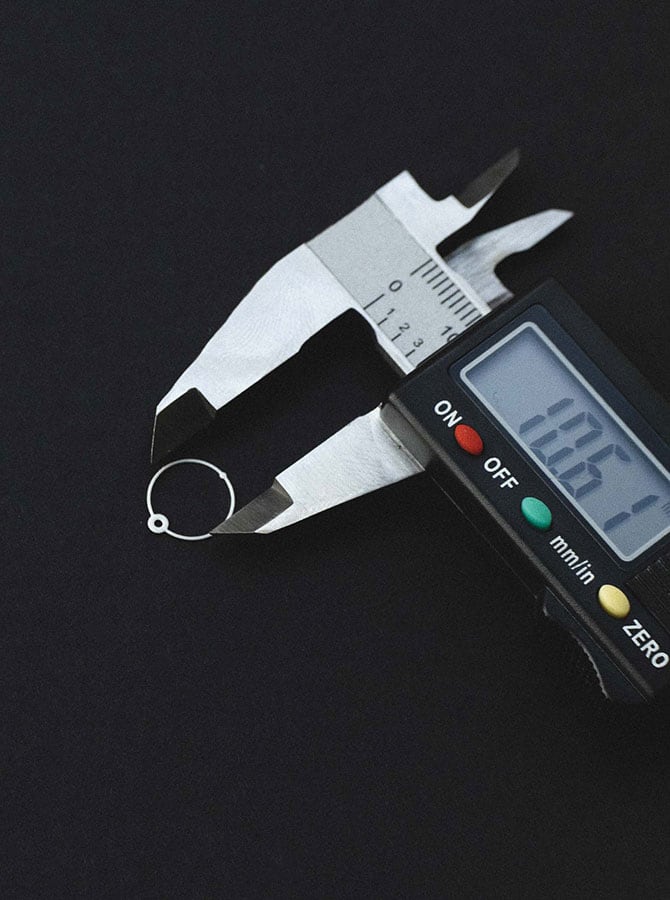
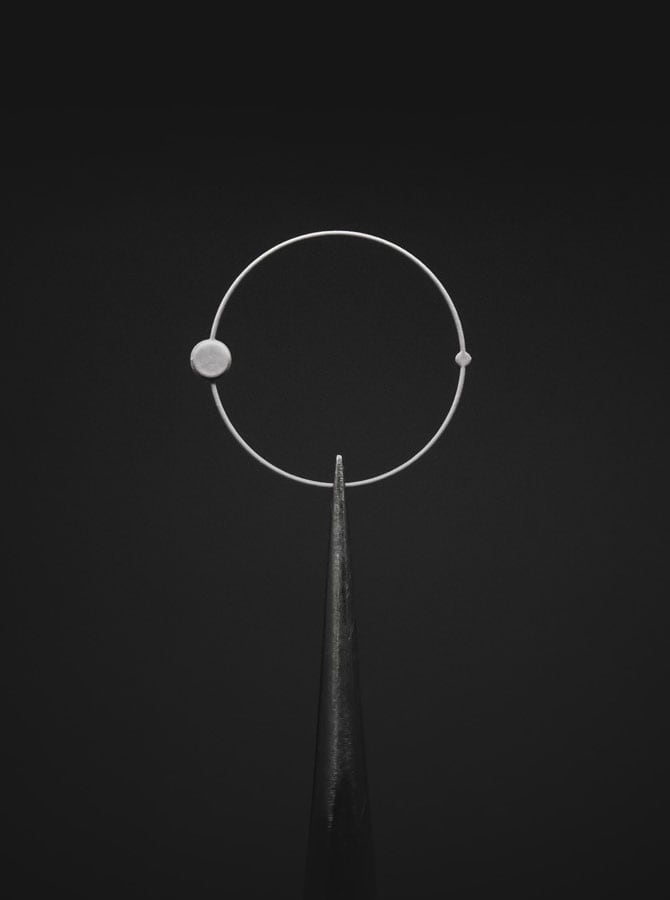
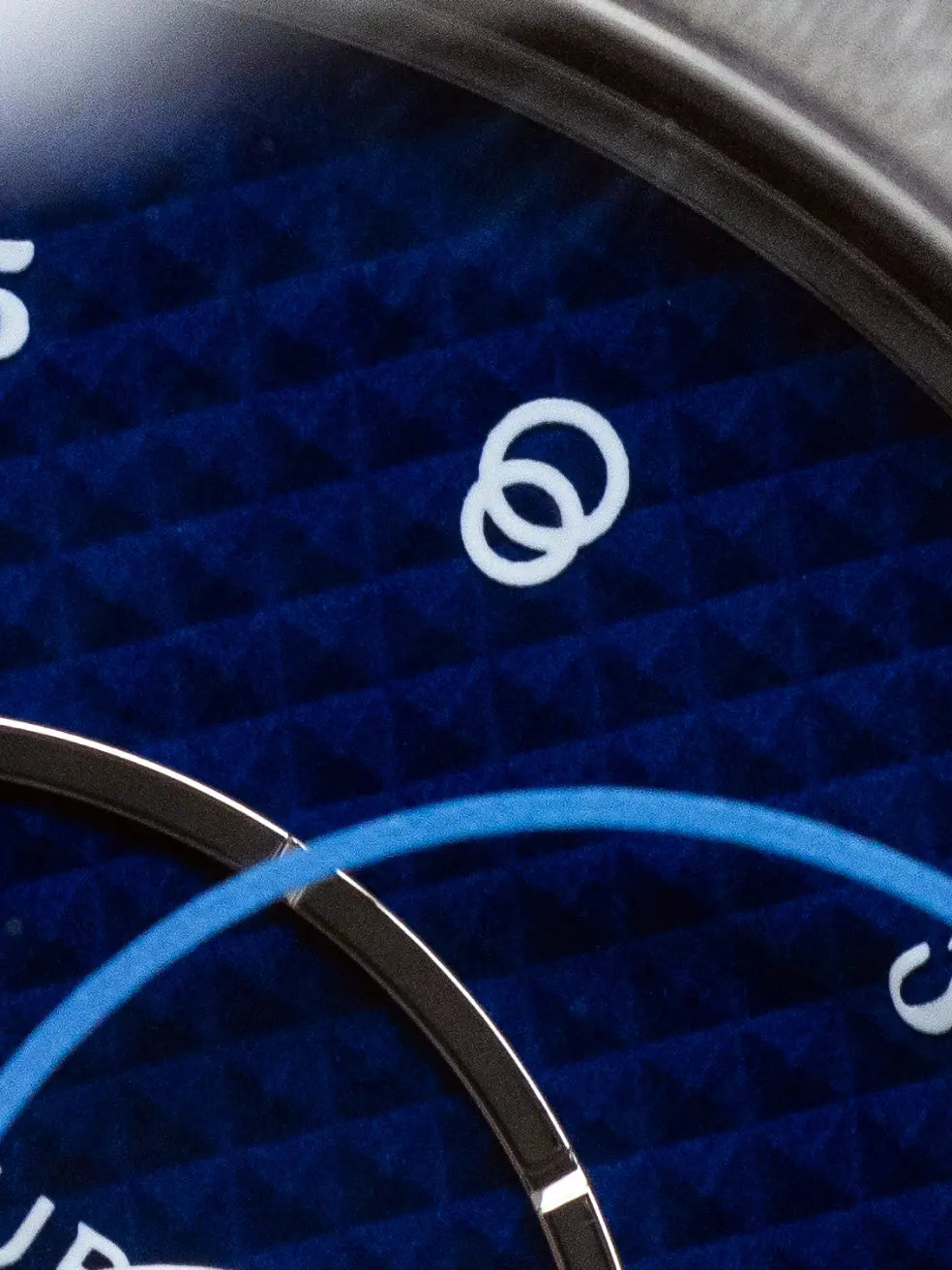
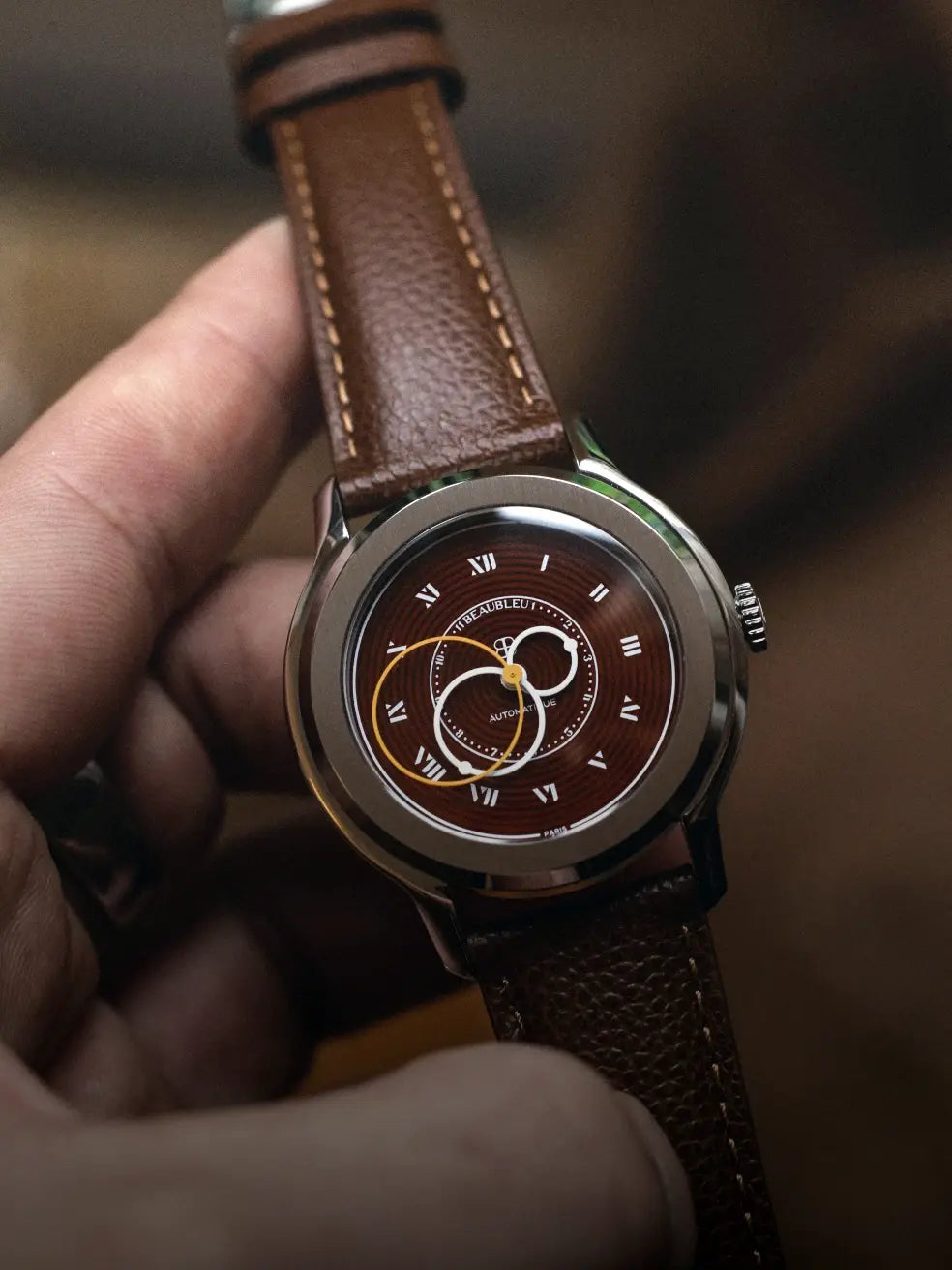
Round needles are the signature of Beaubleu: circles that orbit the central axis instead of pointing to the hours. Seen from a distance, as in a wide shot, they create an identifiable silhouette even before the time can be read. This graphic readability makes each creation an original watch in the truest sense.
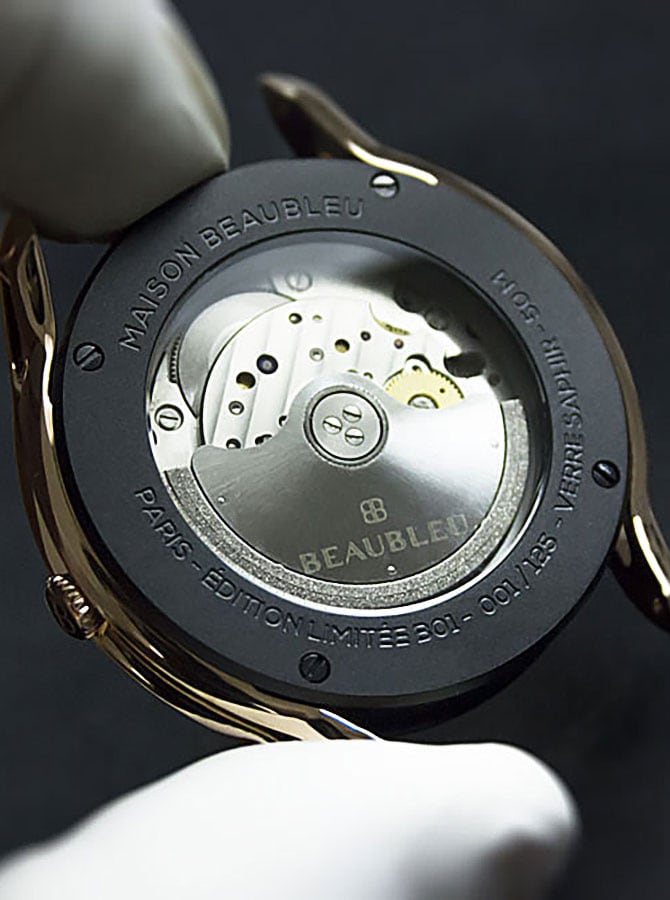
The La Pièce collection, Beaubleu's latest creation, extends this narrative with solid dials struck by the Monnaie de Paris, a horological first for this institution founded in 864. A floating second hand glides near the edge, as if weightless. Issued in 888 copies per colorway and numbered on the back of the case, each piece gives time to see as much as to read, like a filmed sequence.
Discover La Pièce N°1 as well as La Pièce N°2 and their dials struck in Paris, or explore all Beaubleu collections to continue this dialogue between image and time.