





Changing your watch strap: the art of evolving your style
The gaze stops at the dial, but it's the watch strap that takes up the largest surface area on the wrist. This often-overlooked piece, however, determines the fit, comfort, and overall appearance of a timepiece. Changing the strap is like getting a new watch without buying another one. Here, you'll discover what each material offers, how to match it to an occasion, and the method for replacing it yourself.
Key takeaways
- Changing the strap alters the perceived diameter of the case without modifying the watch itself.
- Lug width, expressed in millimeters, is essential for compatibility.
- Grain leather, alligator-embossed leather, braided steel, and rubber each serve a distinct purpose.
What a watch strap reveals about your style
A watch strap is the part of the timepiece that connects the case to the wrist, determining its fit, comfort, and aesthetic register. It represents the largest visible surface area of the watch. Its material influences how the entire watch is perceived.
A light and thin strap visually lightens a watch case, while a dark and thick strap makes it appear denser. The same 38-millimeter diameter will look discreet on grain leather and assertive on braided steel. Playing with this variable corrects proportions without altering the watch.
This flexibility explains why the strap remains the primary way to evolve a collection.
Choosing the material according to the occasion
Each watch strap material is suited for a specific use, climate, and level of formality.
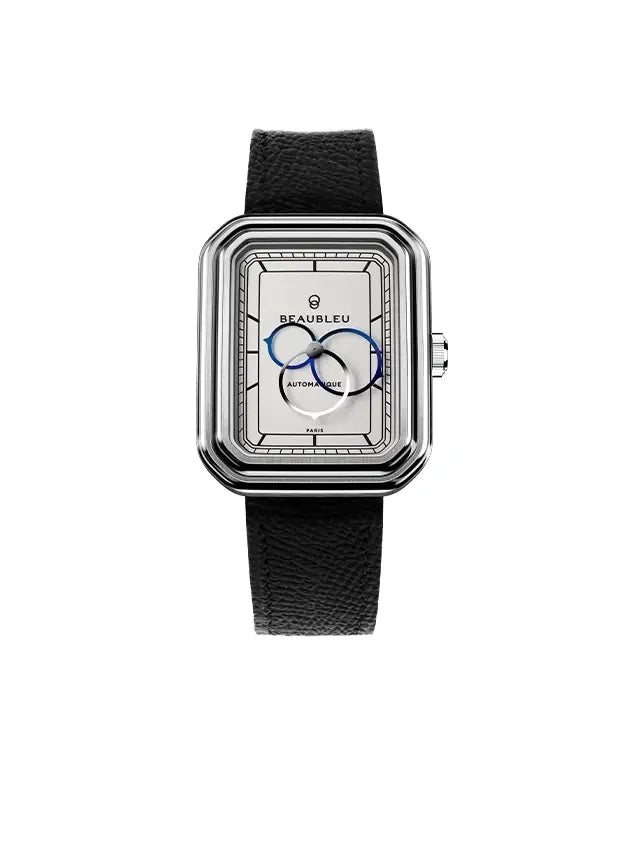
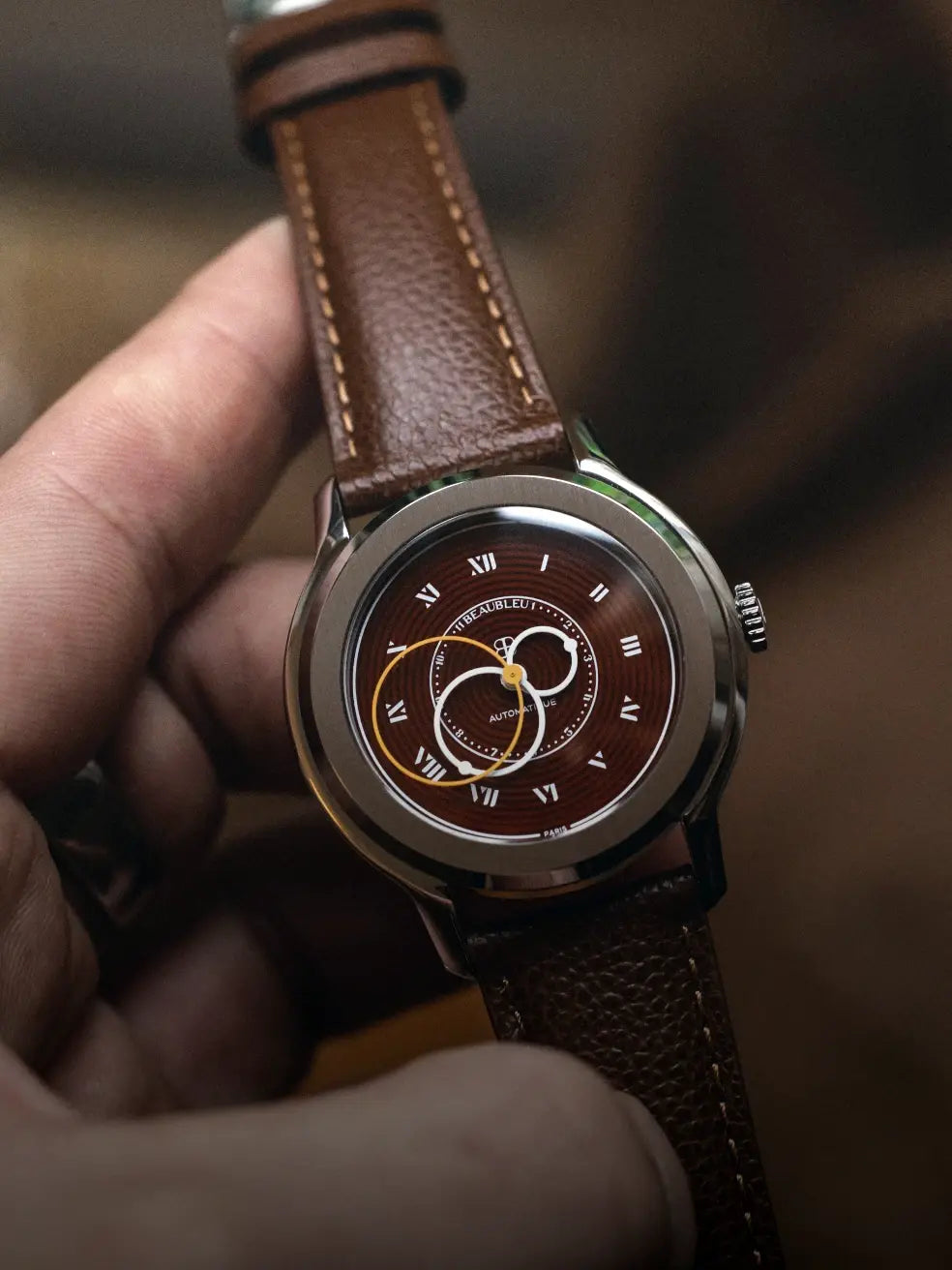
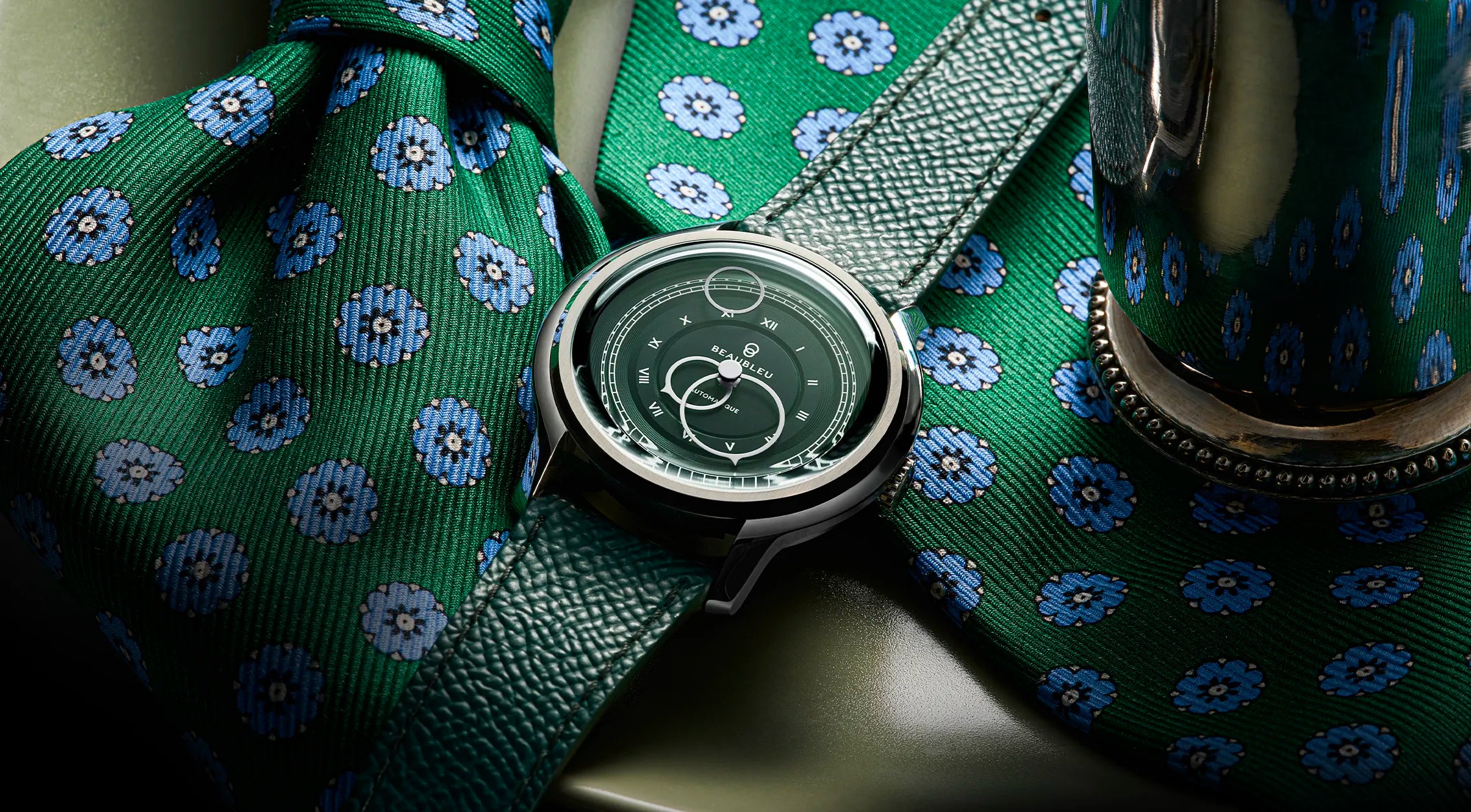
- Grain leather: regular grain, progressive patina, a dressy look that remains wearable for everyday use. Available in blue, black, green, or cream, it complements structured outfits.
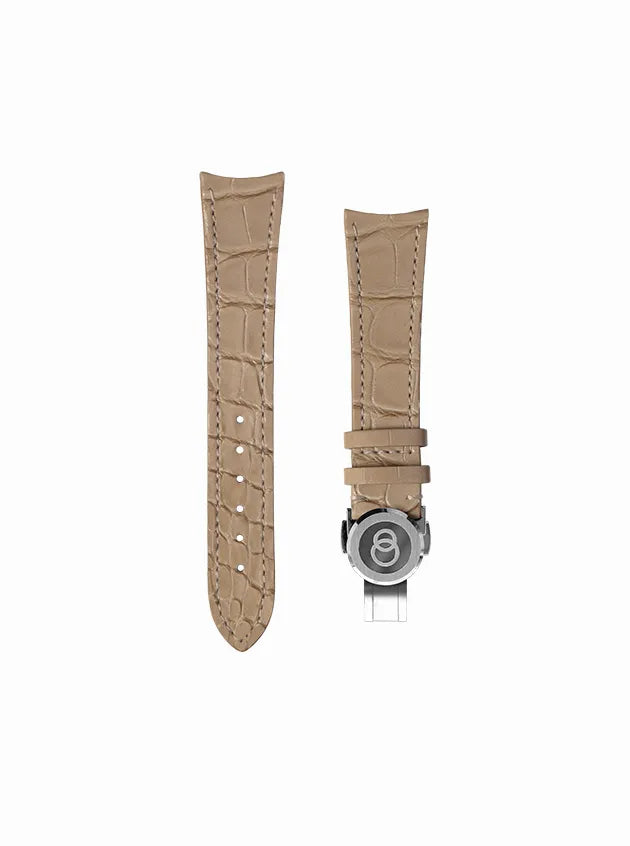
- Alligator-embossed leather: pronounced scales, visible texture, assertive presence. It suits timepieces for occasions where the item needs to be noticed.
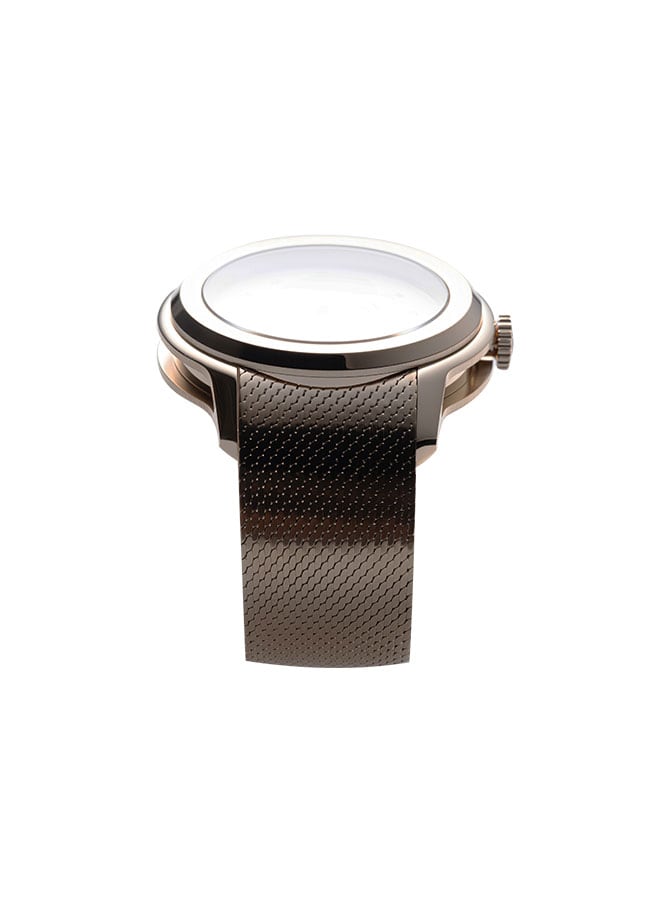
- Braided steel: flexible and dense mesh, soft reflection, millimeter-precise adjustment. It transforms a dress watch for everyday wear.
- Ribbed rubber: water and sweat resistance, quick-drying, constant comfort. It's ideal for summer and travel.
Braided steel is a strap made of woven steel links. The buckle is as important as the material. A pin buckle leaves marks and creases on leather, while a double-folding clasp distributes tension and maintains the strap's shape over time.
Changing a watch strap yourself, without risk
The lug width is the distance between the two lugs of the watch case, expressed in millimeters. It determines all compatibility: a 20 mm strap cannot be mounted on an 18 mm lug width. These two widths cover most timepieces.
Many straps are tapered: 20 mm at the case, 16 mm at the buckle. This reduction refines the silhouette and avoids a "strap" effect on slender wrists.
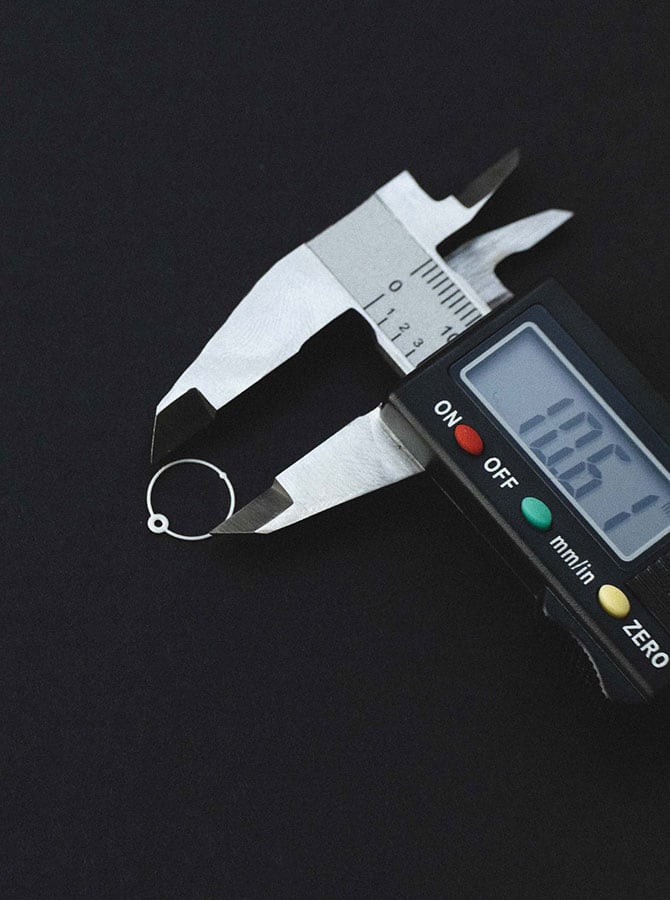
- Measure the lug width with a ruler or caliper, from one lug to the other.
- Identify the attachment: a classic spring bar, which requires a tool, or a quick-release spring bar, which can be operated with a finger.
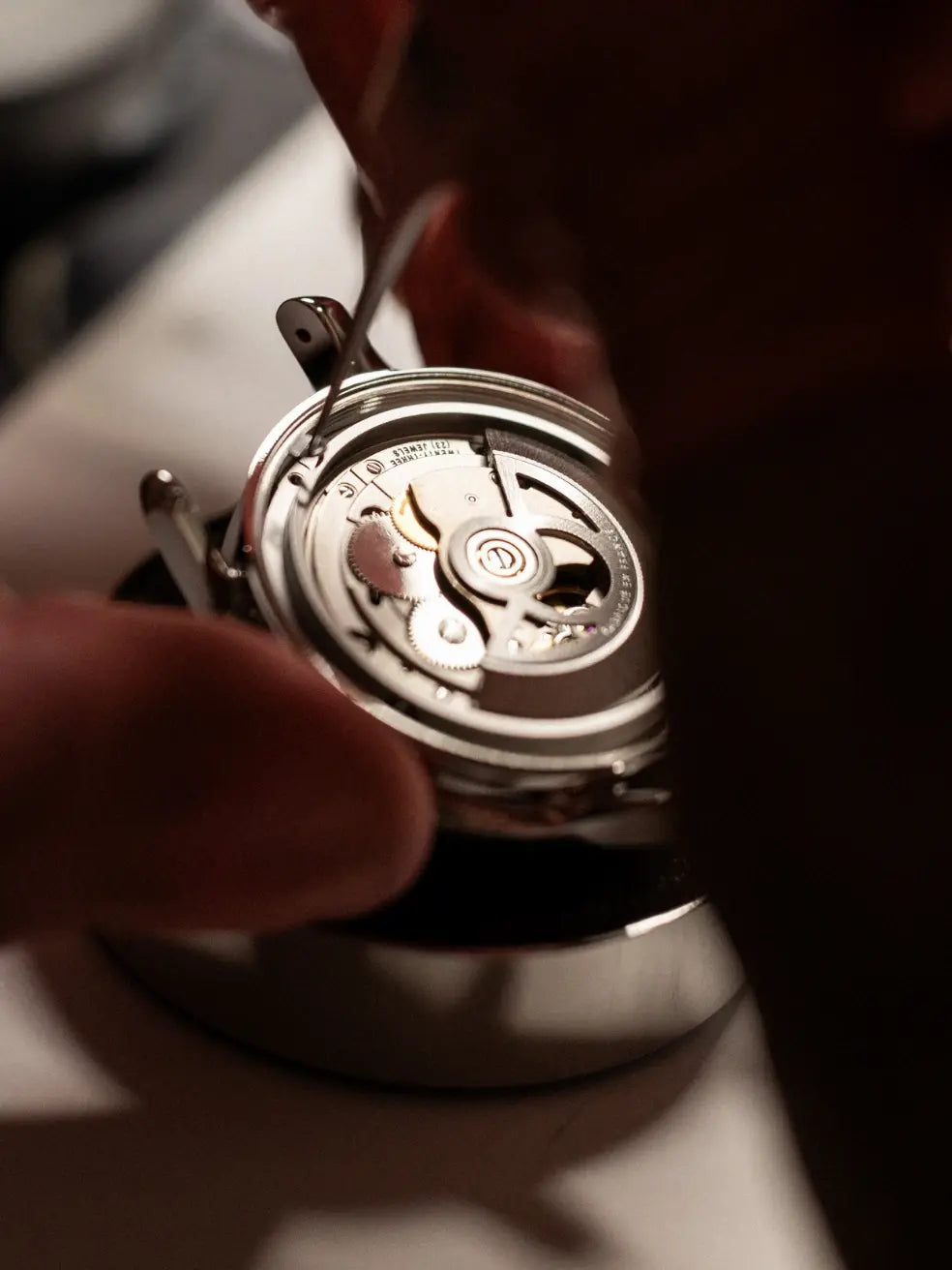
- Place the watch on a cloth, then push the spring bar inwards towards the lugs.
- Attach the new strap lug by lug, then check the lock on both sides with a slight pull.
Two common mistakes are forcing it with an inappropriate tool, which permanently scratches the lugs, and neglecting to check the lock. Alternating several straps also extends the life of leather, which dries and rests between wears.
The watch strap remains the quickest way to update a piece you already own. A measured lug width, two or three intentionally chosen materials, and the same timepiece can accompany you to the office, on weekends, and to your evening events. To go further, explore straps compatible with your watch.